Studio City is one of those LA neighborhoods that people stumble into and never want to leave. I've sold dozens of homes here over the years, and the reaction from buyers is almost always the same: they didn't expect it to feel this good. There's a reason locals call it "The Jewel of the Valley." It has the tree-lined streets, the walkability, the restaurants, the hiking — and it's ten minutes from everything without actually feeling like you're in the middle of a city.
If you're thinking about buying in Studio City — whether it's your first home, a move-up, or an investment — here's everything I think you should know.
The market right now.
Studio City is one of the fastest-moving markets in all of Los Angeles right now. In our February 2026 data, homes here averaged just 33 days on market — by far the quickest of the nine neighborhoods we track. For context, Beverly Hills averaged 110 days and Brentwood averaged 76. When something is priced right in Studio City, it moves.
Pricing spans a wide range. You'll find condos and townhomes starting around $600K–$800K, single-family homes on the valley floor from $1.2M to $2.5M, and hillside estates in the $3M–$10M+ range. The sweet spot for most families is that $1.5M to $2.5M range, which gets you a well-maintained 3–4 bedroom home with a yard in a good school district.
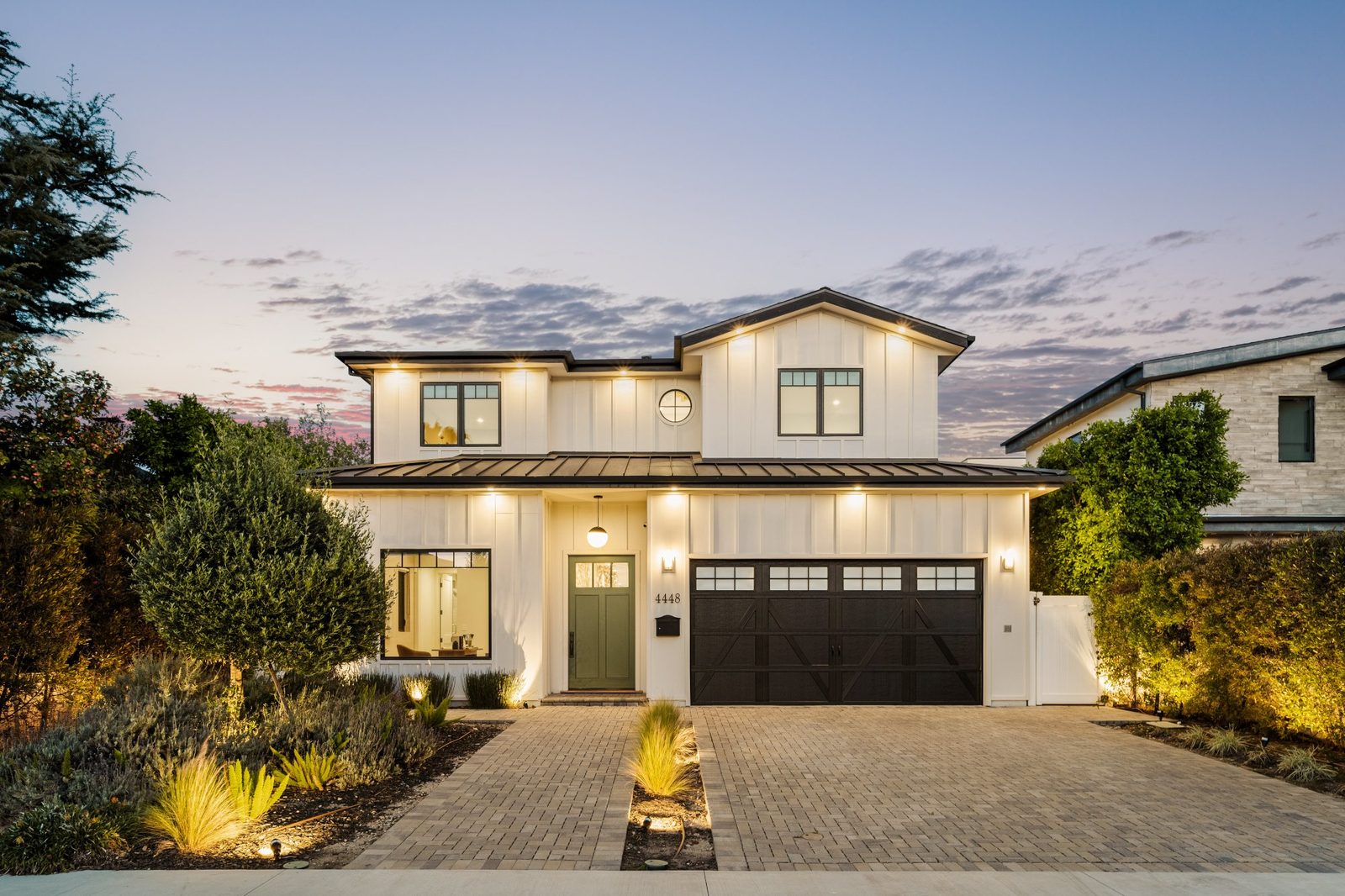
Median prices are up roughly 18% year-over-year, which makes Studio City one of the stronger performers in the Valley. Demand is being driven by a combination of lifestyle buyers who want walkability and proximity to the studios, and families drawn by the school quality. If you're serious about buying here, I'd recommend getting pre-approved and being ready to move quickly when the right home comes up.
The neighborhoods within the neighborhood.
Studio City isn't one thing — it's a collection of micro-neighborhoods, each with its own character. Understanding these pockets is the difference between finding a home you love and ending up somewhere that doesn't quite fit.
There are subtleties even within these areas — which side of a street you're on can determine your school zone, your hillside access, and your property taxes. This is where having an agent who really knows Studio City block by block makes a meaningful difference.
Schools — the real reason families move here.
Studio City's school quality is a major driver of home values, and for good reason. The public options are genuinely strong, which is not something you can say about every LA neighborhood.
Carpenter Community Charter is the anchor — a K–5 school that consistently ranks among the top public elementaries in the Valley. Living within the Carpenter zone is a premium that adds real, measurable value to homes in Colfax Meadows and surrounding streets. Rio Vista Elementary and Dixie Canyon Community Charter are also well-regarded options on the public side.
For private schools, the options are exceptional. Harvard-Westlake is literally in Studio City — one of the most prestigious K–12 schools in the country. Campbell Hall, Oakwood School, and The Buckley School are all within a short drive, giving families access to a range of educational philosophies without leaving the neighborhood.
The food and the scene.
Ventura Boulevard is the spine of Studio City, and it's lined with restaurants that locals genuinely love — not just tourist traps or chains. For brunch, The Front Yard at The Garland Hotel is a go-to, and Joan's on Third does exactly what you'd expect. Aroma Coffee and Tea in Tujunga Village is the neighborhood coffee shop — the one where you'll run into your neighbors.
For dinner, the sushi scene is strong — Kiwami and Katsu-Ya have loyal followings. Firefly is a long-standing Studio City date night spot. And if you want something more casual, Art's Delicatessen has been a neighborhood institution since 1957. Salt and Straw on Ventura handles dessert.
The Studio City Farmers Market runs every Sunday and is legitimately one of the best in the city — not just produce, but live music, food vendors, and a real community gathering. It's the kind of thing that makes you feel like you actually live in a neighborhood, not just a zip code.
The outdoors.
This is one of Studio City's most underrated features. You wouldn't expect a Valley neighborhood to have this kind of access to nature, but it does.
Fryman Canyon Park is the standout — 122 acres of trails right at the edge of the neighborhood. The Betty B. Dearing Trail is a popular loop with panoramic views that feels worlds away from the city. Wilacre Park connects to the same trail system and is a favorite with dog owners. On weekends, the trailheads are busy by 8 AM — that tells you something about the kind of people who live here.
Harvard-Westlake River Park (the former Weddington Golf & Tennis site) is being reimagined as a student athletics complex and public park with fields, a pool, tennis courts, and a gym. It's going to be a significant addition to the neighborhood's recreational landscape.
And you're ten minutes from Runyon Canyon, Laurel Canyon, and the Hollywood Reservoir loop — so if hiking is your thing, Studio City puts you at the center of some of the best trails in LA.
Getting around.
Studio City's location is one of its biggest practical advantages. You're positioned between three major freeways — the 101, the 134, and the 170 — which means you can get to Burbank in 15 minutes, Century City in 25, and Downtown LA in 30 (traffic permitting, of course — this is still LA).
Laurel Canyon Boulevard connects you directly over the hill into West Hollywood and the Sunset Strip. The Metro Red Line stop at Universal City is nearby, giving you rail access to Hollywood and Downtown without driving. And within Studio City itself, Ventura Boulevard is genuinely walkable in a way that very few LA neighborhoods can claim — you can get to restaurants, shops, coffee, and the Farmers Market on foot.
Who lives here.
Studio City's population is around 40,000 people, with a median age of 42. The mix is entertainment industry professionals (the studios are literally right here), young families drawn by the schools and lifestyle, and long-time residents who bought decades ago and have no intention of leaving. The average household income is well above the LA median, reflecting the neighborhood's desirability and the caliber of homes available.
The vibe is mellow, community-oriented, and quietly affluent. People walk their dogs, go to the Farmers Market, hike Fryman Canyon, and eat on Ventura Boulevard. It's the kind of place where you bump into people you know.
What I tell buyers about Studio City.
If you're considering Studio City, here's my honest take after years of doing deals here:
The market moves fast. With an average of just 33 days on market, the best homes don't last. If you see something you like, be prepared to act. Get pre-approved before you start touring. Have your agent set up alerts so you're notified the moment a new listing hits.
The school zone matters more than you think. Even if you don't have kids, the school your home is zoned for affects its resale value. Carpenter-zoned homes consistently trade at a premium. This is one of those details that can save — or cost — you real money.
Hillside vs. valley floor is a lifestyle choice. The valley floor is flat, walkable, and closer to everything. The hillside gives you views, privacy, and architectural character — but the streets are narrow, parking can be tricky, and you're trading convenience for atmosphere. Neither is better. It depends on what you want.
And if you're selling in Studio City, the good news is that demand is strong and timelines are short. But that only applies if you price it right and present it well. Even in a hot market, overpriced homes sit — and in a neighborhood where the average buyer is sophisticated and well-informed, the margin for error is small.
I've helped clients buy and sell throughout Studio City, and I know the streets, the schools, and the micro-markets that make each pocket unique. If you're thinking about making a move here — or anywhere in LA — I'm always happy to talk through your options.
More from the Stewart Team: February 2026 LA Market Update · Why Your House Isn't Selling in LA · Can't Sell Your House? Here's What to Do Next