You've listed your home, you've done the open houses, and weeks are going by. Maybe months. The showings are slowing down, the feedback is vague, and you're starting to wonder what went wrong. If this sounds familiar, you're not alone — and the answer is almost always fixable.
I've sold over 500 homes across Los Angeles, from first-time condos in Silver Lake to multi-million dollar estates in Encino and Bel Air. And in every case where a home sat too long on the market, the problem came down to one or more of the same core issues. Here's what I see most often — and what we do differently on the Stewart Team.
The price isn't grounded in reality.
This is the number one reason homes don't sell in LA, and it's the hardest conversation to have. Every seller has an emotional connection to their home. But the market doesn't care about your renovations, your memories, or what your neighbor told you their house is worth. The market cares about comps, timing, and condition — in that order.
I've seen homes sit for 90 days at $2.4 million, get relisted at $2.1 million, and sell in a week. The irony is that if they had priced it correctly from day one, they probably would have gotten more than $2.1 million. Overpricing doesn't just cost you time — it costs you money. Buyers assume something is wrong with a home that's been lingering, and they adjust their offers down accordingly.
The right price on day one is the single biggest factor in a successful sale.
What we do: We pull real comps within a tight radius, analyze current absorption rates in your specific neighborhood, and give you a number grounded in data. If that number isn't what you want to hear, we'll explain why — and we'll show you the path to getting the most the market will bear.
The presentation doesn't match the price point.
If you're asking someone to spend $1.5 million on a home, it needs to feel like a $1.5 million home the moment they walk through the door. That doesn't mean you need to gut-renovate. But peeling paint, cluttered rooms, dark photos, and an overgrown yard will kill a showing before it starts.
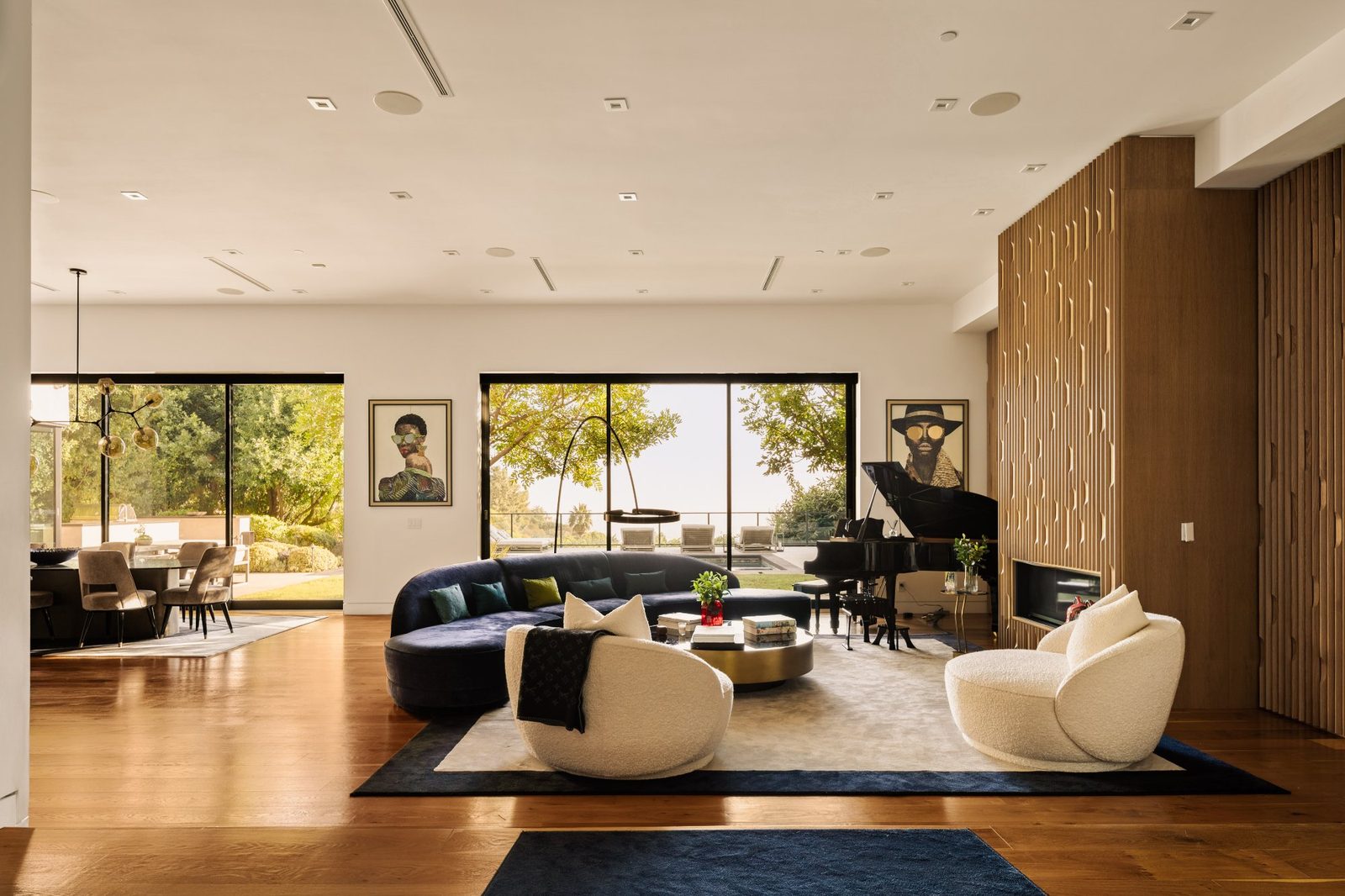
Staging isn't optional in this market. Neither is professional photography. I don't mean your agent snapping photos on their iPhone — I mean a professional photographer with proper lighting, wide-angle lenses, and the ability to make your home look the way it feels when the afternoon light hits just right.
What we do: Before we list, we walk your home room by room and make targeted recommendations. Sometimes it's a $500 paint refresh. Sometimes it's bringing in a stager for three weeks. Sometimes it's nothing at all. The point is that every dollar you spend on preparation should have a measurable return, and we'll tell you honestly which improvements are worth it and which aren't.
The marketing isn't reaching the right buyers.
Putting your home on the MLS and waiting is not a marketing strategy. It's a prayer. In a city like Los Angeles, where neighborhoods feel completely different from one block to the next, your listing needs to tell a story — and that story needs to reach the specific people who are most likely to buy.
That means professional photography (already covered), but also compelling listing copy, targeted digital campaigns, broker outreach to agents working with active buyers in your area, strategic timing around market conditions, and social media that actually reaches eyeballs — not just your agent's followers.
What we do: We build a custom marketing plan for every listing. We control the narrative. We time the launch. We don't just put your home online — we put it everywhere the right buyers are already looking. And then we follow up relentlessly with every agent and buyer who showed interest.
Your agent isn't being honest with you.
This is the uncomfortable one. A lot of agents will tell you what you want to hear to win a listing. They'll agree to your price, promise you the world, and then go quiet for weeks. When the showings dry up, they blame the market.
The truth is that a good agent should be the one pushing you — respectfully, but firmly — toward the decisions that will get your home sold. That means honest pricing conversations, candid feedback after showings, and a willingness to adjust strategy when something isn't working.
If your agent isn't calling you every week with an update, something is wrong. If they can't articulate a clear strategy for the next 30 days, something is wrong. If they take your listing and then disappear — something is very wrong.
The timing was off.
LA's market has seasonality that a lot of sellers don't account for. Spring and early summer are generally the strongest selling seasons — families want to move before school starts, and the weather makes open houses feel effortless. Listing during the holidays or late fall can work, but it requires a different strategy and different expectations.
That said, I've sold homes in every month of the year. Timing matters, but it's not destiny. A well-priced, well-presented home will sell in any season. The key is adjusting your approach based on when you're listing.
What you can do right now.
If your home is currently sitting on the market, don't panic — but don't wait, either. Every week that passes makes the next week harder. Here's what I'd recommend:
First, have an honest conversation with your agent about price. Look at the comps together. If the data says you're overpriced, adjust before you lose more ground. Second, look at your listing photos with fresh eyes. Are they compelling? Would you click on them? If not, it's time to reshoot. Third, ask your agent for a written marketing plan for the next 30 days. If they can't produce one, that tells you everything you need to know.
And if you're thinking about selling but haven't listed yet — get the right advice before you start. The decisions you make in the first two weeks of a listing have more impact than anything you do in the following two months.
I'm always happy to talk through your situation, whether you're already listed or just exploring. No pitch, no pressure — just an honest conversation about where you stand and what your options look like.
Also read: Can't Sell Your House in Los Angeles? Here's What to Do Next